
The global construction landscape is evolving rapidly, and the demand for high-quality infrastructure has never been higher. To meet these strict industry standards, construction companies need flawless concrete production. Manual mixing and outdated equipment can no longer keep up with the fast-paced requirements of modern projects. This is where advanced automation steps in to transform the entire production cycle.
Whether you are managing a massive highway project or supplying materials for commercial buildings, the efficiency of your equipment dictates your profitability. Among the most vital technological upgrades in this sector is the integration of Programmable Logic Controllers. These sophisticated brains run the entire show to ensure every single drop of concrete meets exact structural specifications.
In this comprehensive guide, we will explore everything you need to know about PLC and control systems designed specifically for concrete batching plants. From the core components to the latest automation trends, this breakdown will help you understand how intelligent technology is reshaping the future of construction.
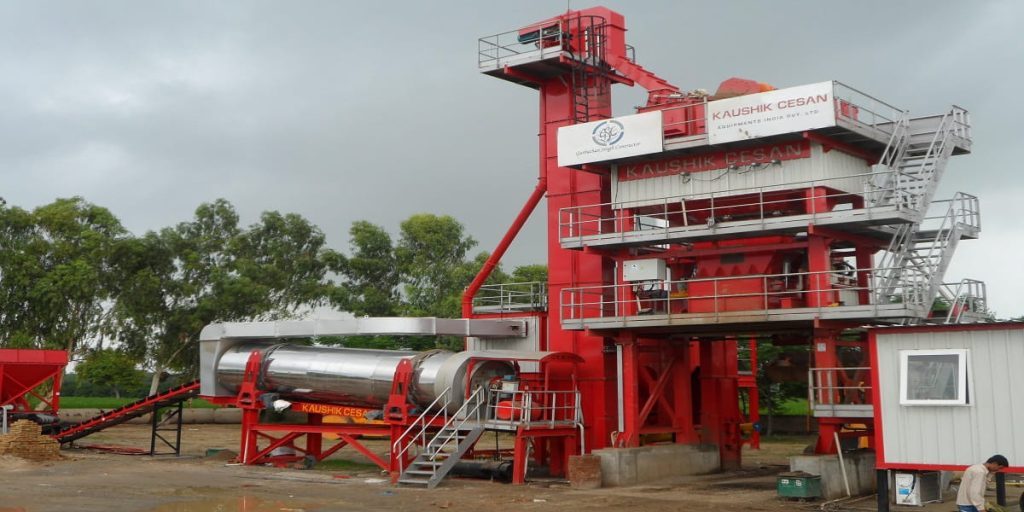
What is a PLC in Concrete Batching Plants
A PLC (Programmable Logic Controller) is an industrial computer used to automate mechanical and chemical processes. In concrete batching plants, it controls the entire production cycle—from raw material feeding to mixing and discharge. It serves as the central nervous system of the facility.
Unlike manual systems that rely on human operators to pull levers and measure ingredients, PLC-based control ensures accuracy, repeatability, and real-time monitoring. The controller receives inputs from various sensors around the plant, processes that data through pre-written software logic, and sends commands to motors and valves.
Key Functions of PLC in Concrete Batching Plants
- Automates material weighing (cement, aggregates, water, additives)
- Controls conveyors, pneumatic valves, motors, and twin-shaft mixers
- Maintains mix proportions with high precision according to digital recipes
- Monitors system performance in real-time to prevent mechanical overloads
- Records production data for quality assurance and financial analysis
According to industry insights, PLC systems can achieve batching accuracy within ±1%, significantly reducing material waste and improving structural consistency. When you operate a ready mix concrete batching plant, this level of precision is non-negotiable for meeting strict engineering codes.
Why Control Systems Are Critical for Modern Concrete Production
The construction industry demands high-speed production with zero compromise on quality. Advanced control systems play a crucial role in achieving this delicate balance. Modern infrastructure cannot rely on guesswork.
1. Precision and Consistency:
Automated systems ensure accurate measurement of all raw materials. By using precise digital load cells, the control system guarantees uniform concrete quality across hundreds of consecutive batches. This eliminates the weak spots in concrete structures caused by improper water-to-cement ratios.
2. Reduced Human Error:
Manual operations can lead to dangerous inconsistencies. PLC systems eliminate this risk by following predefined digital programs. The system will not allow the mixer to discharge if the ingredient proportions fall outside the approved parameters.
3. Faster Production Cycles:
Automation optimises batching time. A computerised system can open and close aggregate gates in fractions of a second, enabling faster project completion. A well-programmed concrete batching plant can easily increase hourly cubic meter output by 30% compared to traditional manual operations.
4. Cost Efficiency:
Precise batching reduces raw material wastage and operational costs. Cement accounts for the highest material cost in concrete production. Over-batching cement eats directly into your profit margins—an automated system doses materials exactly to the kilogram.
5. Real-Time Monitoring:
Operators can monitor the plant performance and adjust parameters instantly. If the moisture content in the sand changes due to morning rain, the operator can adjust the water input on the fly to maintain the perfect slump.
Modern ready mix concrete batching plant setups rely heavily on PLC systems to maintain this quality and meet strict international construction standards.
Components of PLC Control Systems in Concrete Batching Plants
A PLC-based control setup relies on a network of integrated parts that communicate seamlessly. Knowing how these components interact helps operators maximise plant efficiency and fix issues quickly.
The Core PLC Unit
This central processor acts as the brain of the operation. It reads incoming input signals and runs them through programmed ladder logic to execute commands at lightning speed. Manufacturers build these units to survive the heavy dust, extreme heat, and severe industrial vibrations common on construction sites.
Human Machine Interface (HMI)
The HMI provides a vital visual connection between the machine and the human operator.
- Features an intuitive touchscreen display for easy navigation
- Allows for real-time monitoring and safe manual control overrides
- Displays system alarms and operational status dynamically
Sensors and Digital Load Cells
These precise measurement devices guarantee absolute accuracy during every single batching cycle.
- Measure the exact weight of bulk cement, aggregates, and water
- Send continuous analogue signals back to the main processor to ensure perfect mix proportions
Actuators and Pneumatic Valves
These mechanical parts execute the physical heavy lifting based on direct electrical signals from the processor.
- Control the rapid flow of materials from storage silos and weigh hoppers
- Operate pneumatic discharge gates, screw conveyors, and heavy-duty mixers
Industrial Communication Systems
Reliable data networks tie the entire manufacturing facility together.
- Enable instant data transfer between connected devices using standard industrial protocols like Ethernet/IP or Modbus.
- Support secure remote monitoring capabilities for off-site project managers
SCADA Supervisory Software
Supervisory Control and Data Acquisition (SCADA) software offers top-tier centralised management for large-scale production facilities. A dedicated SCADA system logs historical batch data and generates detailed production reports. It also integrates smoothly with enterprise resource planning (ERP) software to track daily financial metrics and material inventory.
How PLC Control Systems Work in Concrete Batching Plants
Understanding the working process helps you see exactly how automation improves daily efficiency. The entire operation is a synchronised dance of mechanical parts guided by digital intelligence.
Step 1: Material Feeding
Aggregates like crushed stone and sand are stored in separate bins and fed into the weighing system via fast-moving conveyors. Cement is pulled from tall storage silos using enclosed screw conveyors to prevent dust pollution.
Step 2: Weighing
- Load cells measure materials accurately in dedicated weigh hoppers.
- Cement, water, and chemical additives are weighed separately to ensure zero cross-contamination before the mixing phase.
Step 3: Mixing
All precisely weighed materials are transferred into the main mixer unit, where they are aggressively blended into concrete. The PLC monitors the motor current to ensure the mix reaches the perfect homogeneous state without overloading the machine.
Step 4: Discharge
The mixed concrete is discharged into transit mixers or transport trucks. The PLC ensures the discharge gate opens fully and closes securely to prevent dripping and waste.
Step 5: Monitoring and Adjustment
The PLC continuously monitors the process and adjusts parameters in real time. If a material flow slows down due to a slight blockage, the system automatically vibrates the bin to restore smooth feeding.
Automated systems ensure precise control over mix proportions, improving overall quality and efficiency across the board.
Types of Control Systems Used in Concrete Batching Plants
Different types of control systems are used depending on the concrete batching plant size, production capacity, and the specific level of automation required by the contractor.
1. Manual Control Systems
- Operated entirely by human intervention using push buttons and mechanical levers
- Suitable for very small-scale operations or temporary rural sites
- Lower initial cost, but significantly less accurate and highly labour-intensive
2. Semi-Automatic Systems
- A combination of manual and automated controls
- Moderate efficiency where the operator initiates the batch, but the machine handles the weighing
3. Fully Automatic PLC Systems
- Complete automation of the entire batching process from start to finish
- High accuracy and maximum daily productivity
- Ideal for large-scale concrete batching plants supplying commercial hubs
4. SCADA-Based Systems
- Advanced top-tier control and visual monitoring
- Deep data logging and predictive analytics
- Remote operation capability, allowing a manager to oversee multiple plants from a single headquarters
PLC Programming in Batching Plants
PLC programming defines exactly how the system operates under various conditions. It is specifically designed based on the unique mechanical layout and production requirements of the plant.
Common Programming Languages
- Ladder Logic (The most widely used visual programming language in industrial settings)
- Function Block Diagram (FBD)
- Structured Text (ST)
Key Programming Features
- Recipe management for storing hundreds of different customised concrete mixes
- Automatic error detection to stop the plant before mechanical damage occurs
- Alarm and notification systems sent directly to operator screens
- Data logging and daily financial reporting
Modern PLC programs allow operators to switch between different mix designs instantly. If one truck needs high-strength foundation concrete and the next truck needs standard pavement concrete, the operator simply taps a screen. This makes ready-mix concrete batching plant operations incredibly flexible and profitable.
Integration with Road Construction Equipment
PLC control systems are not limited to batching plants; they also integrate seamlessly with other heavy road construction equipment for synchronised site operations.
Integrated Equipment Includes
- Transit mixers and agitator trucks
- High-pressure concrete pumps
- Asphalt plants
- Heavy-duty pavers and soil compactors
Benefits of Integration
- Synchronisation of operations across the entire job site
- Improved project timelines due to eliminated waiting periods
- Reduced equipment downtime through shared predictive maintenance data
- Centralised monitoring for the chief project engineer
For massive infrastructure projects like national highways and suspension bridges, integrated automation ensures perfect efficiency and coordination. When the concrete batching plant talks directly to the paving machines, material logistics become effortless.
Advantages of PLC Control Systems in Concrete Batching Plants
Investing in advanced control systems transforms a standard facility into a highly profitable manufacturing hub. These operational upgrades deliver value across your entire facility.
- High Accuracy: Precise weighing ensures consistent concrete quality. This protects the manufacturer from liability issues associated with failing concrete strength tests.
- Increased Productivity: Automation speeds up the batching process. Shorter cycle times mean more trucks loaded per hour.
- Reduced Waste: Accurate dosing minimises expensive material wastage. Saving just a few kilograms of cement per batch adds up to massive financial savings annually.
- Better Quality Control: Ensures uniform mix proportions. Advanced moisture sensors interact with the PLC to adjust water content dynamically.
- Data Tracking: Helps in deep financial analysis and strict reporting. Every single batch is permanently logged for future audits.
- Energy Efficiency: Optimises energy usage and reduces operational costs. The PLC can power down heavy mixer motors during idle periods between truck arrivals.
- Scalability: Systems can be upgraded easily as project requirements grow. You can add new cement silos or additive tanks by simply updating the software logic.
Common Challenges and Solutions
Even the most advanced industrial systems face certain operational challenges. Knowing how to address them keeps your concrete batching plant running smoothly.
1. Calibration Issues: Over time, heavy vibrations can cause weighing scales to drift.
Solution: Schedule regular manual calibration of all load cells and sensors to maintain that crucial ±1% accuracy.
2. System Downtime: Unexpected electrical failures can halt production.
Solution: Implement strict preventive maintenance schedules and keep physical backup systems or manual override panels ready.
3. Operator Training: Sophisticated software requires knowledgeable users.
Solution: Invest in comprehensive, proper training programs for all operational staff so they understand how to read HMI alarm codes.
4. Environmental Factors: Extreme heat, freezing rain, and abrasive dust can damage sensitive electronics.
Solution: Use weather-resistant, IP-rated enclosures for all electrical components and install air conditioning inside the main control cabin.
5. Integration Complexity: Linking new software with older mechanical parts can be difficult.
Solution: Work exclusively with experienced manufacturers and dedicated system integrators who understand the nuances of heavy machinery.
Choosing the Right PLC Control System
Selecting the right digital brain for your facility is crucial for optimal long-term performance. You need a system that fits your current needs and accommodates future growth.
Factors to Consider
- Plant capacity (m³/hr output requirements)
- Level of automation required for your specific market
- Budget constraints and expected return on investment
- Software compatibility with your existing accounting tools
- After-sales support and availability of spare electronic parts
- Compliance with local environmental and structural standards
Modern systems offer incredible features like real-time mobile monitoring, remote internet access, and automated troubleshooting. These additions make them highly efficient and practically run themselves once configured correctly.
Conclusion
The transition from manual labour to intelligent automation is no longer a luxury in the construction sector. Implementing a high-quality PLC control system is the most effective way to guarantee product quality, eliminate expensive material waste, and speed up project delivery timelines. As infrastructure demands grow increasingly complex, relying on automated precision is the only way to remain competitive. By investing in scalable, SCADA-integrated control architectures, concrete manufacturers can future-proof their operations, protect their bottom line, and build the foundations of tomorrow with absolute confidence.
Frequently Asked Questions (FAQs)
What is a PLC in a concrete batching plant?
A PLC is an industrial digital controller that automates mechanical batching processes, ensuring precise accuracy and high production efficiency.
Why is automation important in batching plants?
Automation improves structural consistency, reduces costly human errors, and significantly increases daily production speed.
What is SCADA in batching plants?
SCADA is an advanced software system used for centralised visual monitoring, historical data logging, and remote control of plant operations.
Can PLC systems reduce costs?
Yes, they drastically reduce raw material waste, improve energy efficiency, and lower overall long-term operational costs.
Are PLC systems suitable for small plants?
Yes, modern PLC systems are highly modular and can be easily customised for both small mobile setups and massive stationary batching plants.
Why Kaushik Engineering Works is the Right Choice
As a leading and globally recognised manufacturer of road construction equipment, Kaushik Engineering Works offers advanced PLC-based control systems custom-tailored for modern batching plants. Choosing the right manufacturing partner dictates the lifespan of your investment.
Key Advantages
- Robust and highly reliable industrial design
- Advanced automation technology updated according to the latest standards
- Customizable software solutions for unique project demands
- Excellent worldwide after-sales support and technical training
- Strict compliance with global industry and safety standards
Our systems are expertly designed to deliver unmatched high performance, pinpoint accuracy, and long-term reliability for demanding construction projects of all sizes.
Ready to upgrade your production capabilities and maximise your plant efficiency? Contact our engineering team today at +91-9825164764 or +91-2717415587 or email us at info@kaushikengineeringworks.com to discuss your specific requirements and get a customised quote for your facility.
