
The construction industry is evolving rapidly. Project deadlines are tighter and environmental regulations are stricter than ever. Contractors face a growing challenge to balance high-speed production with sustainable practices. In 2026, regulators are not just looking at the final structures. They are closely monitoring how you build them. Dust emissions from construction machinery are now a primary target for environmental audits.
For contractors running a mobile concrete batching plant, understanding these regulations is no longer optional. It is a critical survival skill for your business. Failing to control dust can lead to heavy penalties. It can even cause sudden project shutdowns. This comprehensive guide breaks down the latest environmental norms and explores the best dust control technologies available for modern construction equipment.
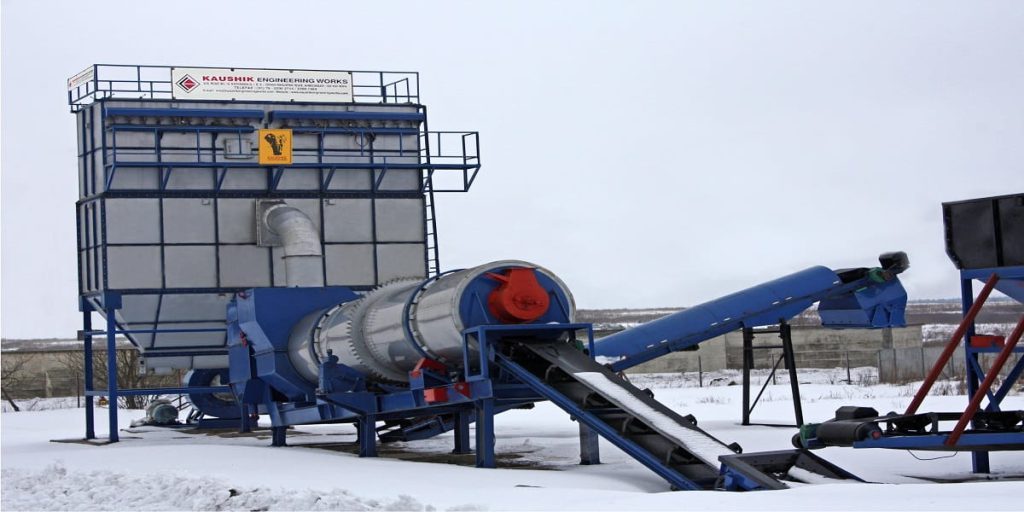
The Rising Environmental Stakes in Construction
Air pollution is a major concern globally. In regions like India and the Middle East, rapid infrastructure development has led to significant dust generation. Regulatory bodies like the Central Pollution Control Board (CPCB) and the Ministry of Environment, Forest and Climate Change (MoEFCC) are actively updating their guidelines to combat this issue.
Regulators have shifted their focus. They are no longer just looking at stationary factories. They are closely inspecting mobile construction sites. A concrete batching plant handles dry materials like cement, sand, and fly ash. These materials easily become airborne. When the wind blows, fine particulate matter escapes the site boundaries and enters surrounding communities.
This fugitive dust creates severe health risks for workers and residents. It also harms local ecosystems. Regulators now demand that every contractor take proactive steps to suppress this dust. If you operate a mobile concrete batching plant, you must prove that your equipment meets strict emission standards before you even start the mixer.
Decoding the 2026 Environmental Norms for Your Equipment
To keep your projects running smoothly, you need to know exactly what the inspectors are looking for. The 2026 guidelines focus heavily on three specific areas of compliance.
First, regulators measure Particulate Matter (PM10 and PM2.5). These are tiny dust particles that can enter the human respiratory system. Your site must maintain ambient air quality standards below specific thresholds. If your concrete batch mix plant creates thick clouds of dust during operation, you will quickly violate these limits.
Second, the focus is on fugitive emissions. This refers to dust that escapes from open areas rather than a specific exhaust chimney. Regulators monitor how you load aggregates into the hopper. They watch how you transfer materials along the conveyor belts. They even inspect the tyres of your delivery trucks.
Third, regulators require strict documentation. You must secure an Environmental Clearance (EC) and a Consent to Operate (CTO) before installing your equipment. Modern guidelines mandate that you log your operations and prove that your dust suppression systems are actively working. A modern mobile concrete batching plant must be equipped with the right technology to pass these rigorous checks.
Major Sources of Dust in a Concrete Batch Mix Plant
To stop dust, you must know where it originates. A typical batching plant has several high-risk zones where fine materials are handled.
1. Cement Silos and Pneumatic Loading
Cement and fly ash are incredibly fine powders. They are delivered to the site in bulk tankers. These tankers use high-pressure air to blow the powder up into the storage silos. This pneumatic loading process creates immense pressure inside the silo. As the displaced air escapes from the top of the silo, it carries massive amounts of cement dust with it. Without a proper filter, this creates a toxic cloud that drifts over your entire site.
2. Aggregate Storage and Feeder Bins
Sand and crushed stone aggregates are the bulk ingredients of concrete. Contractors usually store these materials in open stockpiles. Loaders then scoop up the material and drop it into the feeder bins of the mobile concrete batching plant. This aggressive handling process generates thick dust, especially during the dry summer months.
3. Conveyor Belts and Transfer Points
Once the aggregates are weighed, they travel up a conveyor belt to the main mixing drum. As the materials move and fall from one belt to another, friction and gravity release fine stone dust. Wind can easily catch this dust as it travels up the exposed conveyor system.
4. The Main Mixing Drum
The actual mixing process is another critical zone. When dry cement, aggregates, and water meet inside the drum, the displaced air pushes dust outward. Older equipment often has poorly sealed loading chutes. This allows cement dust to escape right before the water binds it together.
Advanced Dust Suppression Systems for a Mobile Concrete Batching Plant
You cannot afford to rely on outdated methods like spraying water from a simple hose. Modern environmental norms require engineered solutions. Upgrading your equipment with the following technologies will ensure your mobile concrete batching plant remains compliant.
1. Pulse Jet Baghouse Filters
The most effective way to handle airborne dust is to vacuum it up and trap it. A pulse jet baghouse filter acts like a massive industrial vacuum cleaner. It is usually connected to the mixing drum and the aggregate weigh hoppers. It pulls dusty air through hundreds of fabric bags. The clean air passes through, while the dust gets trapped on the outside of the bags. Short pulses of compressed air regularly shake the bags. This drops the collected dust back into the mixing process. This system is highly efficient and operates completely dry.
2. Mist Cannons and Anti-Smog Guns
You must also control dust in your open storage areas. Mist cannons are powerful machines that shoot a fine spray of atomised water high into the air. These tiny water droplets bind with the airborne dust particles. The combined weight forces the dust to fall safely to the ground. You can easily position these cannons around your batching plant to create a protective water shield. They use very little water compared to traditional hoses, which keeps your site from turning into mud.
3. Silo Top Dust Collectors
Every cement silo must have a dedicated top filter. These compact units sit directly on the roof of the silo. When a tanker pumps cement into the silo, the filter catches the escaping dust. Modern silo filters use pleated cartridges that offer a massive surface area in a very small space. They also use automatic vibration or compressed air to clean themselves. This ensures the filter never clogs during a high-speed cement delivery.
4. Wind Breaking Walls and Enclosures
Sometimes the simplest solutions are highly effective. Regulators now expect contractors to build physical barriers around their raw materials. Erecting high galvanised iron sheets around your aggregate stockpiles prevents the wind from picking up the dust. Some contractors go a step further and fully enclose the conveyor belts of their mobile concrete batching plant. This physical barrier stops dust from escaping and protects the raw materials from heavy rain.
Financial and Operational Benefits of Dust Control
Many contractors view environmental compliance as a pure expense. This is a flawed mindset. Investing in high-quality dust control for your concrete batching plant actually improves your bottom line.
1. Preventing Costly Fines and Site Shutdowns
The most immediate financial benefit is avoiding penalties. Environmental agencies actively patrol construction zones. If they catch your mobile concrete batching plant violating emission norms, the fines are severe. In worst-case scenarios, regulators will revoke your Consent to Operate and lock the gates to your site. A single day of lost production costs vastly more than a proper dust suppression system.
2. Recovering Valuable Raw Materials
Dust is not just dirt. It is the very material you paid for. Every cloud of cement dust blowing away from your silo is lost money. Baghouse filters and silo collectors trap this valuable material and return it directly to the mixing cycle. Over the course of a major highway project, this recovered cement translates into significant financial savings.
3. Protecting Equipment from Premature Wear
Concrete dust is highly abrasive. When it settles on the moving parts of your machinery, it acts like sandpaper. It destroys bearings, wears out hydraulic cylinder seals, and clogs electrical control panels. By keeping the air clean around your mobile concrete batching plant, you drastically reduce the wear and tear on your equipment. Your maintenance costs will drop, and your machinery will last years longer.
4. Ensuring the Health and Safety of Your Workforce
Your operators and labourers are your most valuable assets. Breathing in silica dust from crushed stone or toxic particles from cement leads to severe respiratory illnesses. A dusty site lowers worker morale and increases sick days. When you invest in dust control, you create a safe and comfortable working environment. Healthy workers are more productive and make fewer costly errors.
Wrapping Up Your Environmental Strategy
The era of dusty, unregulated construction sites is over. The 2026 environmental norms have set a new standard for the industry. Compliance is the only way forward.
You must take a proactive approach to site management. Train your staff on the importance of clean operations. Invest in high-quality raw material storage. Most importantly, ensure your core equipment is up to the task. By upgrading your mobile concrete batching plant with advanced dust control technology, you protect your workers, your community, and your profits. Take the necessary steps today to build a cleaner and more successful tomorrow.
Frequently Asked Questions
1. Can older batching plants meet 2026 environmental standards?
Yes. You can retrofit existing machinery with modern filters and advanced suppression systems. Kaushik Engineering Works provides custom upgrade kits to make your current mobile plant fully compliant without requiring you to buy entirely new construction equipment.
2. How do mobile batching plants manage wastewater from dust suppression?
Modern setups utilise smart recycling basins to collect runoff from mist cannons. This water is filtered and safely reused in the mixing process. This approach eliminates toxic sludge discharge and drastically reduces your overall daily site water consumption.
3. When should you replace dust filters on a concrete batching plant?
Filter lifespan heavily depends on daily production volume. Most industrial baghouse filters require replacement every six to twelve months. Routine maintenance checks ensure continuous suction performance and prevent unexpected harmful emission spikes during your ongoing operations.
4. Do modern batching plants offer real-time emission monitoring?
Yes. Advanced control panels now integrate directly with digital air quality sensors. These smart systems continuously track ambient particulate matter around your site. The software instantly alerts operators if dust levels approach regulatory limits, allowing immediate corrective action.
5. Do dust control systems increase batching plant noise levels?
No. Premium suppression technologies are engineered for extremely quiet operation. Enclosing conveyor belts and utilising modern pulse jet filters actually dampen overall mechanical sound. This helps your mobile facility comply with both air quality and local noise pollution regulations.
How Kaushik Engineering Works Helps You Stay Compliant
Choosing the right equipment partner is the most important step in your environmental strategy. At Kaushik Engineering Works, we understand the tough realities of modern construction. We engineer our machinery to meet and exceed global environmental standards.
When you invest in our mobile concrete batching plant, you are buying peace of mind. Our plants feature fully enclosed mixing units to prevent fugitive emissions. We integrate high-efficiency pulse jet dust collectors directly into the plant design. Our smart control systems manage water usage perfectly, ensuring you never waste resources while keeping dust down. We also supply premium silo top filters and customised mist cannons to secure your entire site.
We design our equipment for harsh conditions. Our machinery runs clean, stays reliable, and keeps the environmental inspectors happy.
Do not let strict pollution norms delay your next infrastructure project. Connect with our heavy equipment experts to find the perfect eco-friendly mobile concrete batching plant for your
site. Reach out to our team at Kaushik Engineering Works today at +91-9825164764 or +91-2717415587 or email us at info@kaushikengineeringworks.com to discuss your concrete production needs and get a custom quote.

