
Moving a mobile asphalt plant from one project site to another is a complex and high-stakes operation. You need to minimise project downtime and get back to producing hot mix as quickly as possible. Every single hour your equipment spends on the highway or sitting idle costs your construction business money. However, rushing the relocation process can lead to damaged components and serious safety hazards for your crew.
This guide breaks down the steps project managers and operators must follow to safely move an asphalt mixing plant. We will cover everything from the initial teardown to the final calibration at the new site. By following these industry best practices, you can ensure your equipment arrives intact and is ready for immediate production.
Why Relocation Efficiency Matters for Your Bottom Line
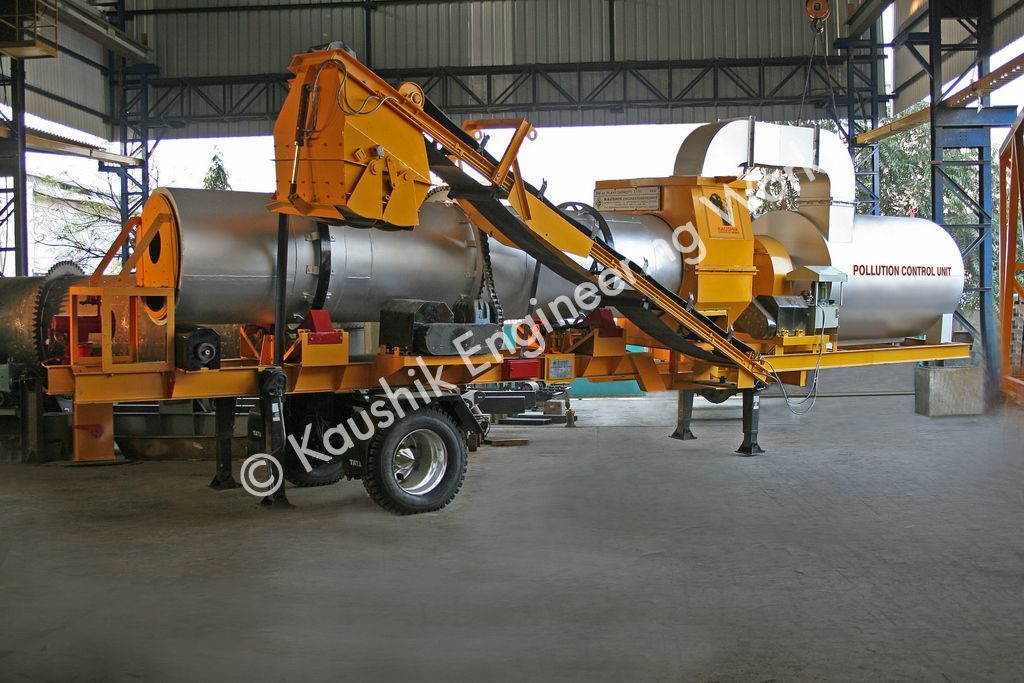
A mobile asphalt plant offers incredible flexibility for remote road construction projects. Unlike stationary facilities, these units are designed to go exactly where the work is. This drastically reduces the distance dump trucks must travel to deliver material to the paving crew. It also ensures the hot mix arrives at the job site at the optimal temperature for compaction. But this incredible flexibility comes with a unique set of logistical challenges.
Moving heavy machinery requires precise coordination and careful handling. You are transporting highly sensitive weighing systems alongside heavy rotating drums and delicate electronic control panels. A poorly planned move can result in costly damage to your asphalt plant. It can also cause unexpected mechanical delays that throw your entire paving schedule off track. A structured relocation plan protects your heavy equipment investment. It also guarantees that your crew can safely dismantle and reassemble the machinery without missing any critical technical steps.
Phase One: Pre Move Planning and Site Assessment
The ultimate success of your relocation depends entirely on the work you do before anyone touches a wrench. Careful planning prevents stressful surprises and costly delays on moving day.
1. Evaluate the New Construction Site
You must thoroughly inspect the destination before moving your mobile asphalt plant. The ground must be capable of supporting massive dynamic weight without settling. Soft soil will cause the equipment chassis to sink once you start loading aggregate into the bins. You need to grade and compact the area to ensure a perfectly level foundation. A level site is absolutely critical for the accurate operation of the weighing load cells on any asphalt batching plant. You also need to plan for proper water drainage so heavy rains do not flood your control cabin or electrical cables.
2. Map the Transport Route
You cannot simply plug the destination into a standard GPS and start driving. Transporting an asphalt drum mix plant requires a specialised route survey. You must manually check bridge weight limits and overpass clearances along the entire proposed path. Look for tight corners where long trailers might struggle to turn safely. You also need to consider local traffic patterns and actively avoid moving heavy loads during morning or evening rush hours. Map out safe designated areas where the truck drivers can pull over to check their load straps.
3. Secure Necessary Permits
Heavy construction equipment almost always exceeds standard legal highway weight and size limits. You will need special oversize load permits from local and state transportation authorities. Some jurisdictions require pilot cars or police escorts for moving a large drum mix plant. Apply for these permits well in advance to avoid costly delays. Waiting until the last minute can leave your equipment stranded at the old site while your paving crew waits miles away.
4. Brief the Relocation Team
Clear communication prevents accidents. Hold a comprehensive safety meeting with your entire crew before the move begins. Assign specific roles to each team member. Designate one person to oversee the electrical disconnection and another to manage the heavy rigging. When everyone knows their exact responsibilities, the entire dismantling process moves much faster and much safer.
Phase Two: Safe Dismantling of the Equipment
Tearing down the plant is the most labour-intensive part of the transition. Your crew must follow strict safety protocols to prevent accidents and protect the machinery.
1. Power Down and Lockout Procedures
Safety always comes first when working with industrial heavy machinery. Completely disconnect the main power supply before beginning the dismantling process. Implement strict lockout and tagout safety procedures. This ensures no one can accidentally restore power while technicians are working near dangerous moving parts or high voltage lines.
2. Drain Fluids and Clear the Drum
You must empty all raw materials from the system. Run the plant until the drying drum and storage silos are completely clear of aggregate and hot mix. You also need to drain the thermal oil from the heating systems into secure, designated storage drums. Transporting an asphalt plant with hot fluids inside is a massive safety hazard and often violates transport regulations. Allow all internal components to cool down entirely before you start unbolting anything.
3. Disconnect Electronic Controls Safely
The control cabin is the brain of your mobile asphalt plant. It houses sensitive computers and wiring that manage the entire material mixing process. Carefully label every single cable before unplugging it. This simple organisational step will save your team hours of frustration during the reassembly phase. Pack the computer monitors and control modules in shock-absorbing materials to protect them from severe transit vibrations.
4. Secure the Chassis and Moving Parts
Once all the components are disconnected, you must lock down anything that can swing, bounce or shift. Secure the weight hoppers and lock the heavy drying drum in place. Fold up any conveyor belts and lock the hydraulic support legs securely. Make sure all loose metal panels and access doors are tightly fastened with industrial zip ties or bolts. The goal is to make the mobile asphalt plant as rigid as possible for the highway journey.
Phase Three: Loading and Transporting the Mobile Asphalt Plant
Now that the equipment is safely packed up, you face the challenge of getting it onto the road without causing structural damage.
1. Select the Right Transport Vehicles
You need heavy-duty semi-trucks and specialised lowboy trailers for this massive job. A standard flatbed trailer might not offer the height clearance required for the taller sections of an asphalt mixing plant. Verify the exact towing capacity of your trucks. Ensure the transport trailers have multiple axles to distribute the extreme weight evenly and comply with strict highway regulations.
2. Implement Proper Lifting and Rigging Techniques
Use heavy-duty industrial cranes to lift any non-chassis tower components onto the trailers. Never rush the rigging process. Use certified lifting straps and steel chains that far exceed the weight requirements of the load. Attach the rigging only to the designated lifting eyes built directly into the asphalt drum mix plant. Improper lifting can bend the steel frame and cause permanent operational misalignment.
3. Manage Transit Vibrations and Shocks
Constant road vibration is the biggest enemy of your equipment during transit. It can quickly loosen bolts and damage fragile internal sensors. Use heavy-duty chain binders to tie down the massive steel components tightly to the trailer deck. For the sensitive control cabin and electronic scales, use heavy-duty nylon straps that offer a slight amount of shock absorption. Check the load tension after the first twenty miles of driving. Things tend to settle as the truck moves, so you must retighten the straps periodically throughout the long journey.
Phase Four: Arrival and Site Preparation
When the transport trucks finally arrive at the new location, your earlier preparation work pays off. You can immediately begin the setup process if the ground is properly prepared.
1. Position the Main Units
Carefully direct the truck drivers into their exact unloading positions using ground spotters. Start by placing the main mixing drum and the primary chassis. This forms the central hub of your mobile asphalt plant. All other components will eventually connect to this central point. Use crane support to slowly lower the hydraulic legs and level the main steel frame precisely. Use industrial bubble levels and laser levels to ensure the chassis sits perfectly flat.
2. Establish Power and Utilities
Before you start bolting the structural pieces back together, you need to set up your primary support systems. Connect the primary diesel generator to the control cabin to establish lighting and basic power. Run the necessary heavy cables to power the hydraulic lifting pumps. You also need to establish your clean water supply for the dust suppression systems and connect your fuel lines for the primary aggregate burner.
Phase Five: Reassembly and Post-Move Testing
Putting the pieces back together requires incredible patience and close attention to the manufacturer’s guidelines.
1. Align the Main Components
Move the cold aggregate feed bins into position and align the transfer conveyor belts with the main drying drum. Exact alignment is critical at this stage. If the conveyors are slightly off-center the aggregate will spill continuously and cause unnecessary wear on the rubber belts. Reconnect the bitumen storage tanks and ensure all heated pipe connections are sealed tightly to prevent dangerous hot oil leaks.
2. Recalibrate Weighing Scales and Sensors
This is the most critical step after moving an asphalt batching plant or continuous drum plant. The heavy vibrations of the highway will always throw the highly sensitive load cells out of calibration. You must meticulously recalibrate the aggregate bitumen and mineral filler scales using certified test weights. Producing high-quality road asphalt requires exact material ratios. Skipping this step will immediately result in rejected batches and thousands of dollars in wasted material.
3. Run Dry Tests Before Full Production
Never start producing hot mix immediately after reassembly. You must perform a comprehensive dry run first. Turn on the main power and activate the control panel screens. Test the electric motors on the conveyor belts and watch the main drum rotate empty. Listen closely for any unusual grinding noises that might indicate a misaligned internal bearing. Test the burner ignition system and verify that the environmental dust collection system is pulling adequate suction. Only introduce raw aggregate and liquid bitumen after every single mechanical system passes the dry test.
Common Relocation Mistakes to Avoid
Even highly experienced paving crews can make critical errors when rushing to meet a strict project deadline. Avoid these common pitfalls to protect your mobile asphalt plant from unnecessary damage.
Do not rely on your memory when reconnecting the main electrical panel. Always use the specific labels you created during the dismantling phase. Guessing wire placements can instantly short out the entire computerised control system.
Never transport the plant with raw material still inside the drum or feed hoppers. The shifting internal weight will make the trailer highly unstable on the highway and could easily cause a severe rollover accident.
Do not ignore local weather forecasts. High winds make lifting heavy tower components with a crane extremely dangerous for your crew. Heavy rain will quickly turn your unpaved new site into deep mud, causing the transport trucks to get stuck before they even unload the equipment.
Always double-check the tightness of all structural bolts and hydraulic fittings after reassembly. A loose mechanical connection on a high-pressure thermal oil line is a massive fire hazard that can destroy the entire plant.
Maximising the Lifespan of Your Road Construction Equipment
Relocating heavy machinery naturally puts immense stress on the metal frame and moving internal parts. Regular proactive maintenance is the only reliable way to counteract this ongoing wear and tear. You should actively use the teardown and setup phases as a rare opportunity to inspect components you normally cannot reach during daily operations.
Check the heavy steel trunnion rollers that support the main mixing drum. Look closely for uneven wear patterns that might suggest the main frame bent slightly during the last transport move. Inspect the internal steel flights inside the drum for excessive wear from abrasive aggregate. Replace any damaged steel plates before reassembling the unit to ensure optimal heating efficiency.
Clean the baghouse filters thoroughly while the plant is powered down. The dust collection system takes a severe beating during heavy, continuous production. Moving the plant often shakes loose trapped internal dust, which can quickly clog the airflow system when you restart operations. A completely clean baghouse ensures you easily comply with strict local environmental emission standards at your brand-new job site.
By treating the required relocation as a combined move and deep maintenance event, you significantly extend the working life of your asphalt plant.
Partner With a Leading Construction Equipment Manufacturer
Moving heavy machinery like a mobile asphalt plant requires precision and reliable machinery. When you invest in high-quality road construction machinery, you guarantee smoother relocations and longer equipment lifespans. As one of the top-tier construction equipment manufacturers, we design robust and easily transportable asphalt mixing plants built for the toughest project environments. Our expert engineering ensures your setup and teardown processes remain completely hassle-free to minimise project downtime.
Do you need to upgrade your current heavy equipment fleet to handle remote projects better? Reach out to Kaushik Engineering Works at +91 – 98251 64764 or drop us an email at info@kaushikengineeringworks.com, and our dedicated support team will discuss your infrastructure goals and discover our custom asphalt solutions.
