
Setting up and operating a mobile concrete batching plant requires careful planning, meticulous execution, and adherence to industry best practices. Establishing a robust foundation is essential for businesses in the concrete production industry to ensure smooth operations and deliver high-quality concrete products.
This step-by-step guide will outline the key considerations and processes involved in setting up and operating a mobile concrete batching plant. From pre-planning and site selection to equipment setup, configuration, and calibration, each step is crucial for the successful establishment and efficient operation of the plant.
Whether you’re a seasoned professional or new to the industry, this guide will provide valuable insights and practical tips to help you navigate the setup process effectively. By following these steps diligently, businesses can streamline operations, minimise downtime, and deliver superior concrete products to meet the demands of diverse construction projects.
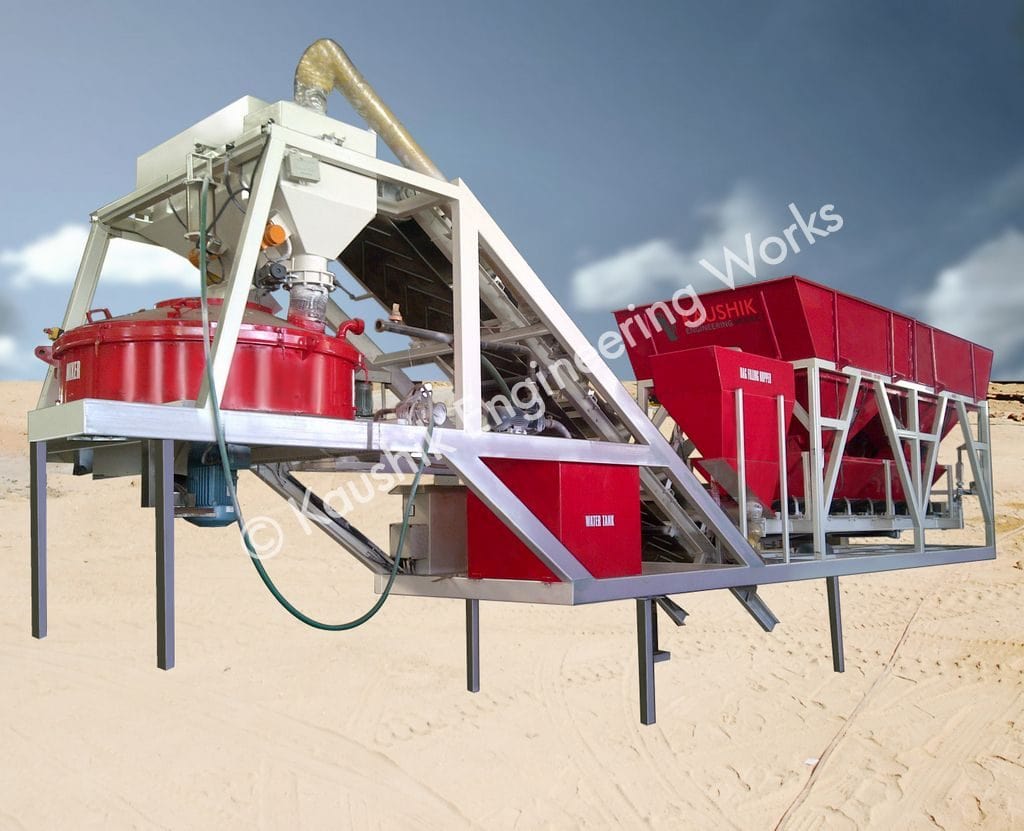
Step 1: Pre-Planning and Site Selection
Starting a mobile concrete batching plant involves meticulous pre-planning and strategic site selection to ensure seamless operations and compliance with local regulations.
Assess Your Project Requirements
Before delving into the setup process, it’s crucial to assess your project requirements comprehensively. Determine the volume of concrete needed, project timelines, and specific requirements such as mix designs and delivery schedules. This initial step forms the foundation for the entire operation, guiding subsequent decisions related to equipment, site selection, and configuration.
Understanding the complexities of your project allows for selecting an appropriate mobile plant with the necessary capacity and capabilities. This proactive approach minimises potential issues during the later stages of the setup and operation.
Select an Ideal Site
Choosing the right location for your mobile concrete batching plant is pivotal for efficiency and productivity. The site should be easily accessible for transportation, allowing seamless delivery of materials. Adequate equipment setup and manoeuvring space is essential to ensure a smooth workflow.
Compliance with local regulations is non-negotiable. Verify zoning laws, environmental restrictions, and other regulations pertinent to concrete batching plant operations in your chosen location. A proactive approach to these regulations can prevent legal complications and streamline your project.
Check Utilities and Permissions
The availability of utilities such as water and electricity is paramount for the successful operation of a mobile concrete batching plant. Ensure that the chosen site has a reliable water source and access to electrical power to meet the plant’s requirements.
In addition to utilities, secure all necessary permits for operating the batching plant at the selected site. Different regions may have varying permit requirements, and obtaining them beforehand prevents unnecessary delays in project commencement. Thoroughly understanding and complying with local regulations sets the stage for a smooth and legally sound operation.
Step 2: Equipment Setup
Once the pre-planning and site selection phases are complete, the next crucial step is properly setting up the batching plant.
Arrival and Inspection
Upon the delivery of the batching plant, conduct a comprehensive inspection to identify any damage incurred during transportation. Verify that all components and accessories are included as outlined in the manufacturer’s specifications. This meticulous inspection ensures the plant is in optimal condition before the setup begins.
Site Preparation
Creating a stable foundation for the plant is essential for its long-term functionality. Level the ground at the installation site and establish a stable foundation to support the weight of the equipment. Proper drainage is also crucial to prevent water accumulation around the plant, mitigating the risk of damage and ensuring a safe working environment.
Assembly and Installation
Follow the manufacturer’s instructions meticulously to assemble the various batching plant components. This includes silos, conveyors, cement bins, mixing units, and other essential parts. Pay close attention to proper alignment and secure connections to guarantee the structural integrity of the entire setup.
The assembly and installation process sets the stage for the plant’s operational efficiency. A well-assembled plant not only ensures optimal performance but also contributes to the safety of the overall operation.
Step 3: Configuration and Calibration
With the equipment in place, the focus shifts to configuring the mobile concrete batching plant and calibrating its systems to meet specific project requirements.
Software Setup
Install and configure the batching plant control software according to the unique needs of your project. This involves inputting data related to material proportions, mix designs, and other parameters critical to the concrete production process. The software serves as the control centre, overseeing the entire batching process.
Testing and Adjustment
Before full-scale production commences, conduct trial runs to test the functionality of the plant. This phase allows for the identification of any operational issues or calibration discrepancies. Fine-tune settings related to material proportions, mixing time, and discharge rates to achieve the desired concrete properties.
Continuous monitoring and adjustment during the testing phase are vital to ensuring that the plant operates at optimal efficiency. This iterative process guarantees that the final concrete product meets the quality standards specified for the project.
Step 4: Operational Procedures
Once the mobile concrete batching plant is set up, it’s essential to establish operational procedures to ensure smooth and efficient production processes.
Start-Up Sequence
A standardised start-up sequence is vital for powering up the plant components in the correct order and prioritising safety and efficiency. This sequence typically involves activating power sources, starting conveyors, activating mixing units, and initialising control systems. Adhering to a consistent start-up procedure minimises the risk of equipment damage and ensures that the plant operates optimally from the outset.
Material Handling
Efficient material handling is crucial for maintaining a steady supply of aggregates, cement, water, and additives required for concrete production. Coordinate material delivery schedules to synchronise with production demands, minimising downtime and optimising workflow. Proper storage of materials is equally important to prevent contamination and ensure product quality. Implementing robust material handling practices streamlines the batching process and improves operational efficiency.
Batching and Mixing
Inputting the desired mix design parameters into the control system initiates the batching process. Monitor the mixing cycle closely to ensure uniformity and consistency in the concrete mix. Regularly calibrate the batching system to maintain accuracy and precision in material proportions. Adjust mixing parameters as needed to accommodate variations in materials or environmental conditions. Effective batching and mixing practices are essential for producing high-quality concrete that meets project specifications and customer expectations.
Step 5: Maintenance and Troubleshooting
Regular maintenance and troubleshooting procedures are critical for ensuring the reliable performance of a mobile concrete batching plant.
Scheduled Maintenance
Establish a comprehensive maintenance schedule that includes routine inspections, lubrication of moving parts, and timely replacement of worn or damaged components. Regular maintenance minimises the risk of unexpected breakdowns and prolongs the lifespan of the equipment. Assign dedicated personnel responsible for conducting maintenance tasks according to the predetermined schedule. Documenting upkeep activities facilitates tracking of equipment condition and enables proactive maintenance planning.
Troubleshooting Procedures
Train operators to identify and address common issues that may arise during plant operation. Provide comprehensive training on troubleshooting techniques and equip operators with the necessary tools and resources to resolve problems efficiently. Maintain a log of troubleshooting actions and solutions to facilitate knowledge sharing and continuous improvement. Implementing robust troubleshooting procedures minimises downtime and ensures uninterrupted production.
Step 6: Shutdown and Site Cleanup
Proper shutdown and site cleanup procedures are essential for maintaining a safe and organised work environment.
Shutdown Protocol
Follow a systematic shutdown procedure to power down plant equipment safely and conserve energy. This typically involves shutting off power sources, draining residual fluids from equipment, and securing movable components. Adhering to a standardised shutdown protocol reduces the risk of accidents and prolongs the lifespan of the equipment.
Cleaning and Storage
Thoroughly clean batching plant components to remove any residual concrete or debris accumulated during operation. Regular cleaning prevents buildup and corrosion, preserving equipment functionality and appearance—store equipment and accessories securely to protect them from weather damage and vandalism. Proper storage practices prolong the lifespan of equipment and reduce the need for repairs or replacements.
Common Mistakes to Avoid During Operation:
- Neglecting Regular Maintenance: Failure to adhere to scheduled maintenance tasks can lead to equipment breakdowns and costly repairs.
- Inaccurate Batching: Incorrect input of mix design parameters or failure to calibrate the batching system can result in concrete batches that do not meet quality standards.
- Poor Material Handling: Improper material delivery and storage coordination can disrupt production flow and compromise product quality.
- Ignoring Quality Control Measures: Neglecting quality assurance procedures, such as regular testing of concrete samples, can result in subpar concrete products.
- Lack of Operator Training: Insufficient training for plant operators in troubleshooting techniques and operational procedures can lead to inefficiencies and production delays.
- Incomplete Shutdown Procedures: Following a systematic shutdown protocol can pose safety risks and contribute to equipment wear and tear.
- Inadequate Site Cleanup: Neglecting to clean thoroughly and store equipment after operation can lead to corrosion and premature equipment failure.
Avoiding these common mistakes during operation is essential for maximising the efficiency, reliability, and longevity of a mobile concrete batching plant.
Frequently Asked Questions (FAQs):
How often should maintenance be performed on a mobile concrete batching plant?
Maintenance frequency depends on factors such as usage intensity and environmental conditions. Generally, routine inspections and lubrication should be conducted weekly, with more extensive maintenance tasks scheduled monthly or quarterly.
What measures can be taken to ensure accurate batching of materials?
To maintain accuracy in batching, regularly calibrate the batching system according to manufacturer guidelines. Additionally, ensure that mix design parameters are input correctly into the control system and monitor material proportions closely during batching.
What steps can be taken to optimise material handling processes?
Optimise material handling by synchronising delivery schedules with production demands to prevent shortages or overstocking. Implement efficient storage practices to minimise material contamination and ensure product quality.
How can operators identify and address common issues during plant operation?
Operators should undergo comprehensive training in troubleshooting techniques and be provided with access to troubleshooting resources. Encourage operators to maintain detailed logs of issues encountered and solutions implemented for future reference.
What safety precautions should be followed during plant shutdown and site cleanup?
During shutdown, ensure all equipment is powered down adequately, and movable components are secured to prevent accidents. When conducting site cleanup, use appropriate personal protective equipment and follow proper handling procedures for cleaning agents and waste disposal to ensure a safe working environment.
We Are a Leading Construction Equipment Manufacturer in India
As a leading construction equipment manufacturer in India, we pride ourselves on delivering innovative solutions tailored to meet the diverse needs of our clients. With a commitment to excellence and a proven track record of reliability, we stand ready to partner with you to elevate your construction projects to new heights.
Experience the difference with our cutting-edge technologies and superior-quality equipment designed to optimise efficiency and productivity on the job site. From mobile concrete batching plants to asphalt plant solutions, we offer a comprehensive range of construction equipment to suit every requirement.
Partner with us and unlock unparalleled benefits:
- Exceptional Quality: Our equipment is built to the highest standards, ensuring durability, reliability, and consistent performance, even in the most demanding environments.
- Innovative Solutions: Stay ahead of the curve with our innovative technologies designed to streamline operations, enhance productivity, and maximise ROI.
- Dedicated Support: Benefit from our dedicated team of experts committed to providing personalised support and assistance every step of the way, from initial consultation to after-sales service.
- Customised Solutions: Every project is unique, so we offer customised solutions tailored to your requirements, ensuring optimal results and customer satisfaction.
From heavy machinery to advanced tools and technology, we have everything you need to take your construction business to the next level. Contact us today at +91 – 98251 64764 or email us at info@kaushikengineeringworks.com to learn more and discover how we can empower your success in the construction industry.
