
In the ever-evolving world of road construction, choosing the right asphalt mix is crucial for the success of any project. Whether you’re working on a large highway, city road, or an industrial site, the type of asphalt mix used can significantly affect the cost, performance, and environmental impact of the project. Hot Mix Asphalt (HMA) and Warm Mix Asphalt (WMA) are two popular types of asphalt that are produced in an asphalt batch mix plant. However, these two asphalt types have distinct differences that can impact the final results in both the short and long term.
In this blog post, we’ll dive deep into the differences between hot mix and warm mix asphalt, their pros and cons, and how they are produced in an asphalt batch mix plant. Additionally, we’ll explore how different factors, such as cost, performance, environmental impact, and climate conditions, play a role in deciding which type is best suited for your project.
What Is an Asphalt Batch Mix Plant?
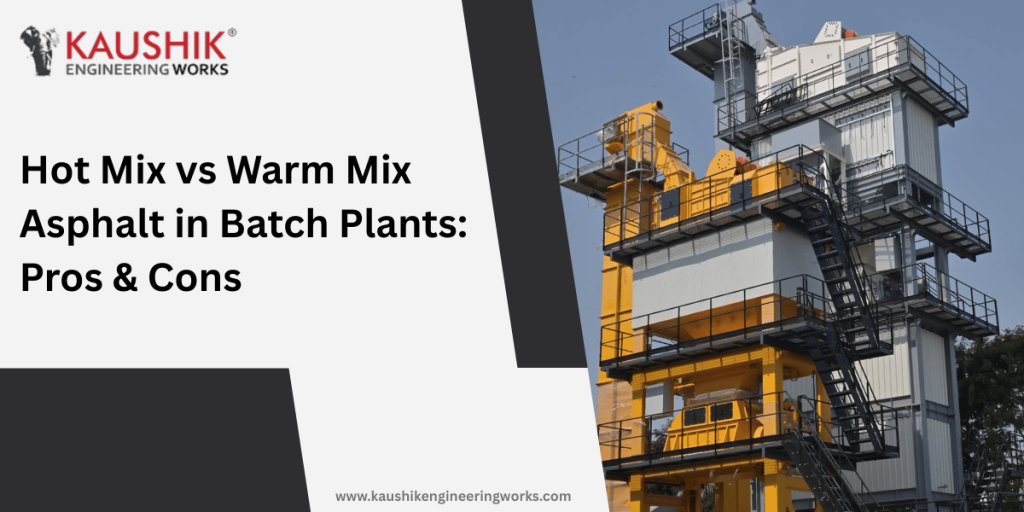
Before diving into the specifics of hot mix and warm mix asphalt, it’s essential to understand the role of an asphalt batch mix plant in the process. An asphalt batch mix plant is a type of construction equipment used to mix different aggregates, bitumen, and additives to produce asphalt for road construction projects. The batch process ensures that each batch of asphalt is uniformly mixed, offering precise control over the quality and properties of the asphalt.
These plants are used by road machinery manufacturers and contractors to create asphalt mixes for a variety of road surfaces, from highways to city streets, and everything in between. An asphalt batch mix plant offers several key features:
- Precise Mix Control: The batch plant allows for a high degree of precision in the mix design. This ensures that the final asphalt product meets project specifications.
- Versatility: Modern plants can produce both hot mix asphalt and warm mix asphalt, offering flexibility depending on project needs and environmental concerns.
- Scalability: Whether working on a small residential project or a large highway construction, the capacity of an asphalt batch mix plant can be adjusted to fit the project size.
- Environmentally Friendly Features: Many modern plants are equipped with systems to reduce emissions, optimise fuel use, and increase efficiency.
Now that we have an understanding of the asphalt batch mix plant, let’s delve into the details of hot mix and warm mix asphalt.
What Is Hot Mix Asphalt (HMA)?
Hot mix asphalt is the traditional method for producing asphalt at high temperatures, typically between 150°C and 180°C (302°F to 356°F). The high temperature allows the bitumen (the binder) to coat the aggregates thoroughly and ensures that the mix remains workable for transportation and compaction.
How Hot Mix Asphalt Works in a Batch Mix Plant
In an asphalt batch mix plant, HMA is created in a multi-step process:
- Heating Aggregates: The aggregates (sand, gravel, and crushed stone) are heated and dried in the plant’s drum or dryer. The drying process is essential to remove any moisture from the aggregates to ensure proper bonding with the bitumen.
- Heating Bitumen: Bitumen is heated separately to ensure that it reaches the required viscosity for mixing. This ensures the bitumen flows easily when mixed with aggregates.
- Mixing Process: The heated aggregates are mixed with bitumen and fillers in the mixer. This step requires careful attention to ensure that the mix is uniform and that the binder properly coats the aggregates.
- Storage and Delivery: After mixing, the asphalt is stored in a hot storage silo and delivered to the construction site, where it is poured and compacted.
HMA is the go-to solution for projects requiring high durability, such as highways, bridges, and industrial roads. Its proven performance makes it a top choice for many road construction projects.
What Is Warm Mix Asphalt (WMA)?
Warm mix asphalt is a newer technology that produces asphalt at lower temperatures than hot mix asphalt. Typically, WMA is produced at temperatures ranging from 110°C to 140°C (230°F to 284°F), offering significant advantages in energy savings, reduced emissions, and improved workability.
How Warm Mix Asphalt Works in a Batch Mix Plant
The process of making warm mix asphalt is similar to hot mix asphalt, with one key difference: lower production temperatures. To achieve this, WMA incorporates special additives, foaming techniques, or chemical agents to make the bitumen more fluid at lower temperatures. This reduces the need for high heat, making the process more environmentally friendly.
- Additives: Chemical additives can be mixed with the bitumen to lower its viscosity and improve workability at lower temperatures.
- Foaming Process: In some methods, water is injected into the bitumen to create foam, which reduces the amount of heat required for mixing.
- Use of Technology: Modern asphalt batch mix plants are designed to accommodate WMA production, ensuring that the quality of the asphalt is maintained even at reduced temperatures.
The reduced temperature also improves the working conditions at the construction site by lowering the amount of fumes and smoke produced during the mixing process.
Hot Mix Asphalt vs Warm Mix Asphalt: A Detailed Comparison
Now that we’ve established what hot mix and warm mix asphalt are, let’s compare them across key factors that are essential for making an informed decision. This comparison will help road construction contractors and project managers choose the most appropriate asphalt mix for their specific needs.
1. Temperature and Energy Use
Hot Mix Asphalt
- High Energy Consumption: HMA requires heating aggregates and bitumen to high temperatures, consuming significant energy and fuel. This increases operational costs, especially in large projects.
- High Temperature: The higher temperature at which HMA is produced ensures good coating of aggregates, but it also leads to greater fuel usage and higher carbon emissions.
Warm Mix Asphalt
- Energy Efficiency: One of the main benefits of WMA is its lower production temperature. This reduces energy consumption and makes the process more cost-effective, especially for large-scale operations.
- Lower Temperature: WMA is produced at 20°C to 40°C lower than HMA, significantly cutting fuel requirements and reducing energy costs.
Verdict: Warm Mix Asphalt is more energy-efficient, leading to lower operational costs and a smaller environmental footprint.
2. Environmental Impact
Hot Mix Asphalt
- Higher Emissions: Due to the high temperatures involved in production, HMA emits more greenhouse gases, contributing to air pollution. This has led to increased pressure from regulatory bodies to find more sustainable solutions.
- Air Quality: The process of heating aggregates and bitumen generates fumes and smoke, which can negatively impact air quality at the construction site.
Warm Mix Asphalt
- Reduced Emissions: WMA significantly reduces emissions by lowering the production temperature. The lower temperatures result in less smoke, fumes, and harmful gases, improving air quality at the site.
- Sustainability: WMA aligns with the growing demand for environmentally friendly road construction materials. Many countries and cities are incentivising the use of warm mix asphalt as part of their sustainable development goals.
Verdict: Warm mix asphalt is the more environmentally friendly option, reducing emissions and minimising its carbon footprint.
3. Workability and Compaction
Hot Mix Asphalt
- Shorter Workability Window: Since HMA cools quickly after production, the working time (i.e., the time available for spreading and compacting the asphalt) is limited.
- Compaction: HMA requires rapid compaction to ensure it sets properly before cooling. This often leads to a faster-paced construction process, requiring efficient equipment and skilled labour.
Warm Mix Asphalt
- Longer Workability Window: WMA maintains its workability for a longer period, which can be particularly useful for large-scale projects. It remains pliable and easier to compact over a longer time.
- Easier Compaction: WMA’s slower cooling process allows for easier compaction, especially in colder temperatures or when asphalt is being transported over long distances.
Verdict: Warm mix asphalt provides a longer workability window, making it easier to manage large paving projects and reduce labour time.
4. Performance and Durability
Hot Mix Asphalt
- Proven Durability: HMA has been used for decades and is known for its durability and strength, especially on high-traffic roads, highways, and industrial sites. It is more resistant to wear and tear from traffic load and weather conditions.
- Tried-and-Tested Technology: Engineers and road builders rely on HMA for its established track record in long-lasting, high-performance roads.
Warm Mix Asphalt
- Improving Durability: While WMA’s performance is still evolving, it has shown promising results in terms of durability when designed properly. When combined with the right mix design and additives, WMA can meet or even exceed the performance of HMA.
- Long-Term Results: Studies show that WMA can perform similarly to HMA, especially for lower-traffic roads, though more research is still being conducted to optimise its performance for high-load applications.
Verdict: Hot mix asphalt remains the best choice for projects requiring long-term, heavy-duty performance. Warm mix asphalt, however, is closing the gap and is a good option for mid-to-low traffic roads.
5. Cost Considerations
Hot Mix Asphalt
- Higher Initial Costs: HMA typically incurs higher operational costs due to fuel usage and the energy required to maintain high temperatures during production.
- Stable Pricing: The cost of HMA is more predictable, as the technology has been established for a long time.
Warm Mix Asphalt
- Lower Production Costs: The energy savings in producing WMA lead to lower overall production costs, especially over time. Though the upfront cost of additives may be higher, the long-term savings in fuel and operational expenses can offset this.
- Incentives: Many governments offer incentives to use WMA due to its lower environmental impact, making it more financially attractive.
Verdict: While WMA may come with slightly higher material costs initially, it can be more cost-effective in the long run due to energy savings and environmental incentives.
Conclusion
Both Hot Mix Asphalt (HMA) and Warm Mix Asphalt (WMA) offer unique advantages depending on the nature of your project. If you’re working on a high-traffic, high-performance road, HMA is likely your best choice due to its proven durability and strength. However, if your priority is energy savings, environmental impact, and extended workability, WMA could be the better option.
When deciding between HMA and WMA, consider the following factors:
- Climate: If you’re in a cold region or working on a project that requires long transportation times, WMA might be more practical.
- Traffic Load: For highways or heavy-duty roads, HMA is generally the preferred choice for its strength and durability.
- Environmental Goals: If reducing emissions is important, WMA is the clear winner due to its lower temperature production.
Consult with trusted construction equipment manufacturers to find the right asphalt batch mix plant that suits your project’s needs. Whether you’re working on a local road or a major highway, both HMA and WMA have their place in modern construction, each offering different strengths that suit specific requirements.
With the right knowledge and equipment, you can ensure that your asphalt mix not only meets the performance standards but also aligns with environmental and budgetary goals.
Frequently Asked Questions
1. What are the key advantages of warm mix asphalt in urban construction projects?
Warm Mix Asphalt (WMA) offers reduced emissions, lower energy consumption, and longer workability, making it ideal for urban road construction. Its lower production temperature also helps minimise air pollution, making it a more environmentally friendly option for cities focused on sustainable infrastructure development.
2. How does warm mix asphalt improve worker safety during road paving?
Warm mix asphalt lowers the production temperature, reducing smoke and fumes compared to Hot Mix Asphalt (HMA). This results in a safer working environment, with fewer health risks for construction workers exposed to harmful emissions, making it a preferred choice for high-traffic urban areas.
3. Can warm mix asphalt perform as well as hot mix asphalt in high-traffic roads?
Yes, when designed correctly with appropriate additives, warm mix asphalt can match or exceed the performance of hot mix asphalt in high-traffic areas. It offers comparable durability and strength, while also providing benefits like reduced fuel consumption and extended workability during construction.
4. How does the environmental impact of Warm Mix Asphalt compare to Hot Mix Asphalt?
Warm mix asphalt significantly reduces environmental impact by lowering production temperatures, resulting in lower greenhouse gas emissions and less fuel consumption. Its reduced environmental footprint makes it a more sustainable option for eco-conscious road construction projects, contributing to greener infrastructure and cleaner air quality.
Partner with Us for Superior Asphalt Solutions
At Kaushik Engineering Works, we offer state-of-the-art asphalt batch mix plants designed to deliver efficiency, sustainability, and durability. Whether you need hot mix or warm mix asphalt, our advanced road machinery ensures top-notch performance for any project.
Are you prepared to elevate your road construction projects? Let us provide the right equipment, expert guidance, and innovative solutions to meet your unique needs.
Contact us today to discover how our cutting-edge technologies can help you build roads that last. We’re here to help you pave the way to success!
